

Current Trainees
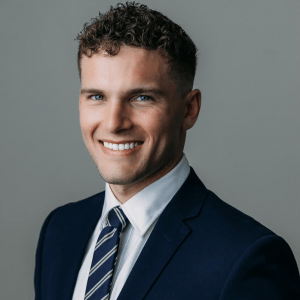 Roy Hilzenrat
Roy completed his medical degree at McGill University and his General Surgery residency at the University of British Columbia, where he earned a Master of Health Sciences in Clinical Epidemiology and a Master of Global Surgical Care. His research focuses on thoracic oncology and improving access to thoracic surgical care in underserved settings, with international collaborations in Uzbekistan, Mongolia, Guyana, and Haiti. He chose to pursue Thoracic Surgery training at the University of Toronto for the scope and volume of its training program, particularly in advanced thoracic oncology, complex upper gastrointestinal pathology, and robotic surgery. He also enjoys exploring new countries, running, ceramics, and mixing vinyl records
Andreea Matei
Eimear Kirby
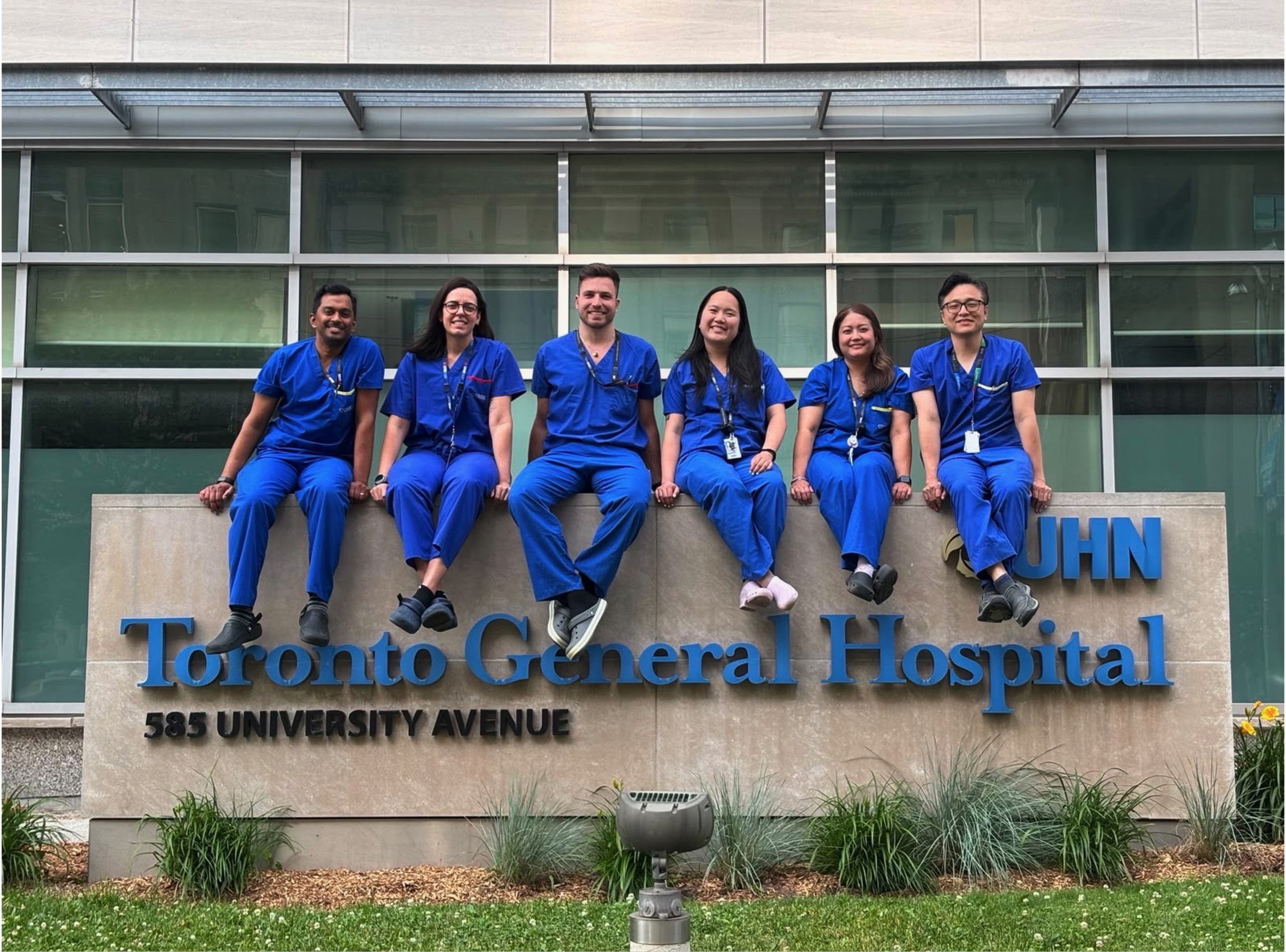
Alumni

Alison Wallace
Alison was drawn to thoracic surgery because she found the physiology challenging, the anatomy beautiful, and the cases technically demanding. The intraoperative physiologic acuity and the dynamics of one-lung ventilation called for real-time problem solving and effective communication with anesthesia colleagues. Earlier in her career, Alison thought of thoracic surgery as a field of intricate puzzles: although cases may start with a general approach, they often unravel as unique and complex challenges, both anatomically in three dimensions and biologically as the disease, surgery, and postoperative course intersect.
These were the qualities Alison was looking for in a training program, and they were what drew her to Toronto. She wanted to train in an environment where she would be exposed to complex thoracic disease, challenging anatomy, and a breadth of operative approaches, while learning from surgeons who were leaders in the field. Just as importantly, she wanted to be part of a program where technical excellence was paired with rigorous clinical thinking, collaboration, and a commitment to advancing thoracic surgery.Alison’s time in Toronto gave her exactly that. She was fortunate to learn from exceptional surgeons and mentors who challenged her to think beyond the operation itself: to understand the physiology, anticipate the unexpected, adapt to the individual patient, and continually ask how they could do better. The experience shaped not only how she operates, but also how she approaches the care of every patient and the responsibility surgeons have to advance their field.
Over time, Alison has come to appreciate that the most rewarding part of thoracic surgery is not simply solving those puzzles. It is using what is learned from each patient to improve the care of the next, while creating the knowledge, technology, and developing the people needed to move the field forward.
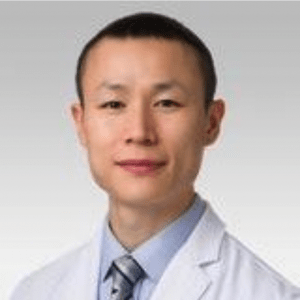
Kalvin Lung
Kalvin is deeply grateful for the opportunity to receive the most well-rounded thoracic surgery training possible while benefiting from the teaching and mentorship of leaders in the field. UHN’s internationally recognized thoracic surgery program provided Kalvin with experience in managing a diverse range of advanced thoracic diseases while working alongside pioneers in innovation, research, and minimally invasive techniques. The invaluable lessons Kalvin gained during his training extended far beyond technical and surgical expertise. They shaped his vision for what could be achieved through innovation, collaboration, research, and imagination. He carried those lessons with him to Northwestern in Chicago.
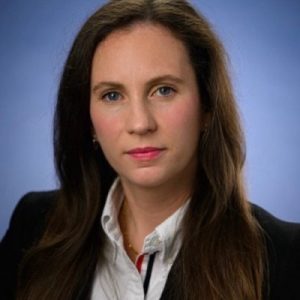
Robin Ralph-Edwards
Robin chose to train in thoracic surgery at UHN because it offered unparalleled exposure to high surgical volumes, complex clinical presentations, and the opportunity to learn from world-leading experts in the field. UHN’s internationally recognized thoracic surgery program provides experience in managing a diverse range of advanced thoracic diseases while working alongside pioneers in innovation, research, and minimally invasive techniques. For Robin, training at UHN meant developing surgical excellence in one of the world’s premier academic centers, where exposure to challenging cases, multidisciplinary collaboration, and mentorship from global leaders would provide the strongest possible foundation for a career in thoracic surgery.
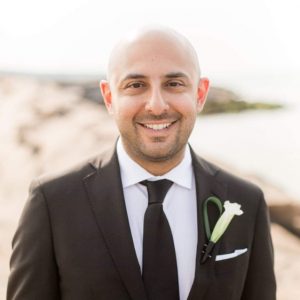
Adam Bassili
Adam completed his General Surgery residency at Dalhousie University in Halifax, Nova Scotia. He selected University of Toronto for his Thoracic Surgery training due to its unsurpassed breadth and depth of general thoracic training. Patients come to Toronto from all over the country for management of challenging diseases including mesothelioma, pulmonary hypertension, and complex oncology. Many of these interventions are not available anywhere else in the country, making Toronto’s training program exceptional and unique. He is now a faculty member at University of British Columbia and works in Victoria.
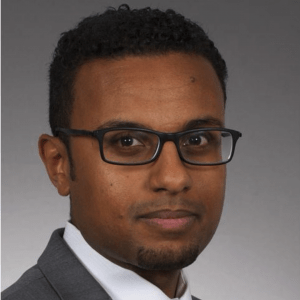
Biniam Kidane
Biniam was deeply grateful for the opportunity to train at Toronto General Hospital (TGH) and the University of Toronto Thoracic Surgery Program. He sought to receive the most well-rounded thoracic surgery training possible while benefiting from the teaching and mentorship of leaders in the field. His goal was not only to learn how to make the seemingly impossible possible, but also to understand how to consistently develop groundbreaking programs in clinical care and scientific research.He carried those invaluable lessons with him to the University of Manitoba, where he helped lead transformative changes across all aspects of thoracic care in the province. In addition to establishing innovative clinical programs that have earned international recognition, he is especially proud of building a translational thoracic research laboratory inspired by his experience at TGH. Equipped with the knowledge, skills, and vision he gained during his training, Biniam believes that imagination is the only limit to how far he can go.